

If your home looks “fine” but still feels stressful, cluttered, or draining, you’re not imagining it. Many homeowners I speak to feel overwhelmed by busy schedules, constant visual noise, and homes that don’t flow well for real life. Add limited outdoor space, long hours spent indoors and decision fatigue, your home can start to feel like another source of pressure rather than a place of restoration.
This is where biophilic interior design becomes powerful.
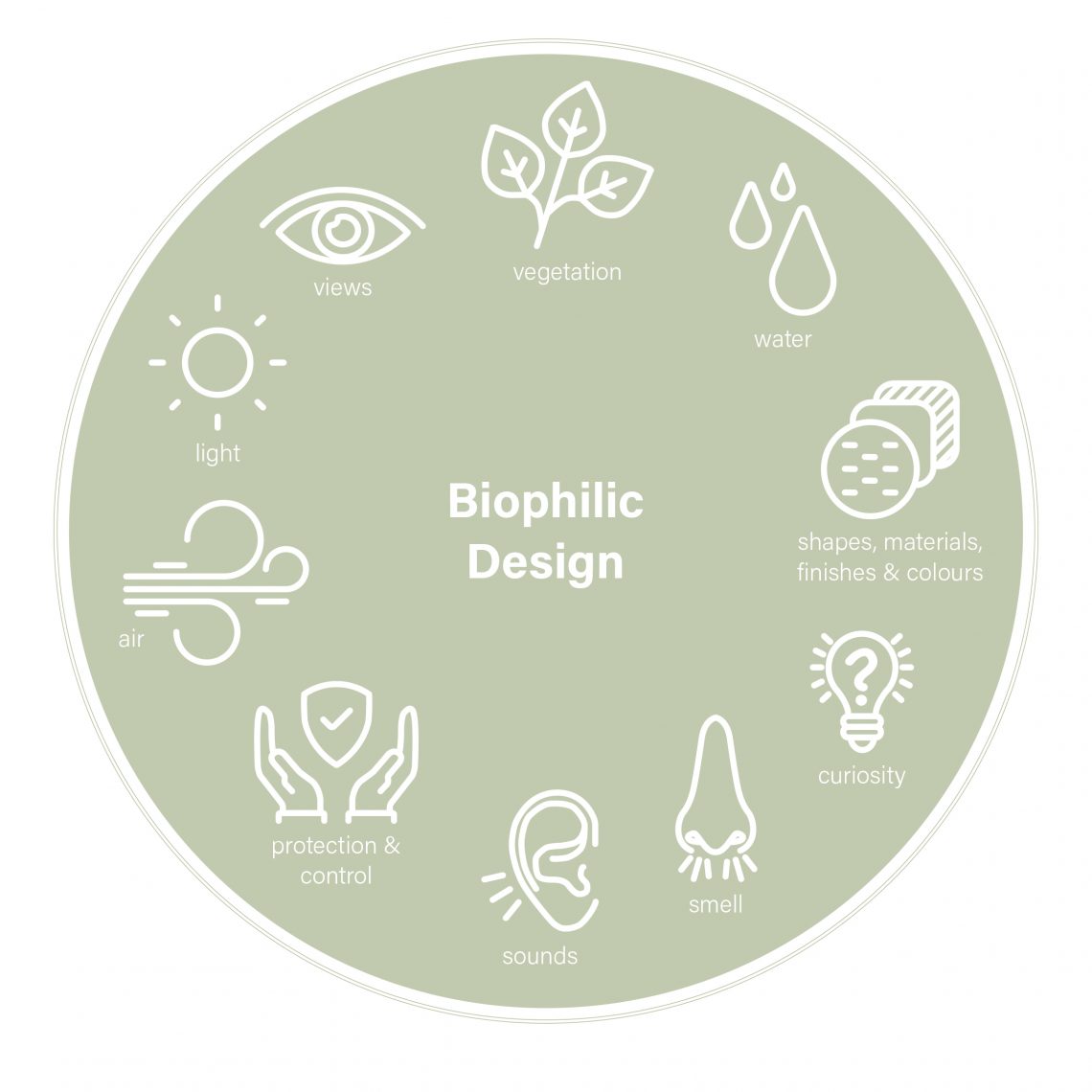
Biophilic design isn’t about filling your home with plants or following a trend. It’s about intentionally reconnecting your living spaces with nature in ways that support how you feel, function and live day to day. Supporting your overall wellbeing
What the research tells us (in simple terms)
There is a growing body of evidence showing that exposure to nature has a measurable impact on wellbeing.
One of the most widely referenced studies by environmental psychologist Roger Ulrich found that hospital patients with a view through a window recovered faster and required fewer strong painkillers than those looking at a brick wall. This research highlighted how even passive exposure to nature can reduce stress and support healing.
Research also shows that small, everyday interactions matter. A controlled study found that interacting with indoor plants reduced physiological stress markers such as blood pressure and nervous system activity when compared with mental work carried out in non-natural environments.
Beyond plants, natural materials such as wood have also been shown to have a calming effect. Studies published in the Journal of Wood Science found that exposure to wood interiors can reduce stress responses, including lower heart rate and blood pressure, compared with synthetic finishes.
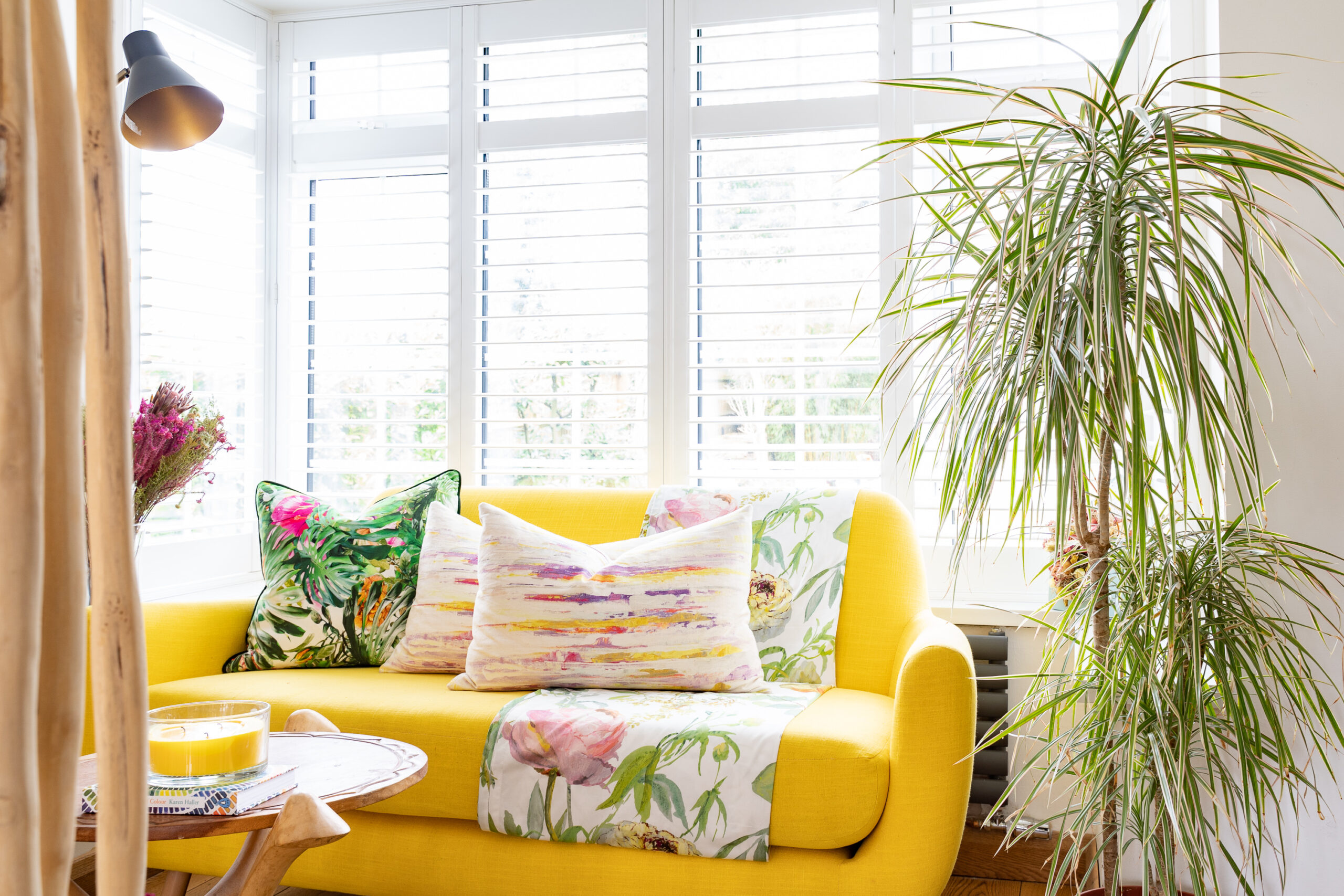
In design terms, this means you don’t need dramatic gestures to feel the benefits. Introducing natural light, timber finishes, tactile materials, greenery, and nature-inspired colour palettes can gently support your nervous system, helping your home feel more grounded and restorative.
How nature-led homes address real homeowner pain points
The clients I work with often share similar challenges:
- Homes that feel visually busy or mentally draining
- Spaces that don’t flow or support daily routines
- Difficulty switching off and properly resting
- A sense of disconnection, especially without access to outdoor space
Nature-led design helps address these by reducing sensory overload, creating visual order and supporting a calmer rhythm of living. When a home is thoughtfully designed, it quietly works in your favour, helping you feel more at ease without demanding attention.
Practical biophilic upgrades you can start this week
- Maximise natural light : keep window areas visually clear and use layered lighting to soften evenings.
- Introduce one grounding material: wood, linen, stone or wool and then repeat it subtly throughout the room.
- Create a calming focal point: a plant, textured surface, a water feature or artwork inspired by nature.
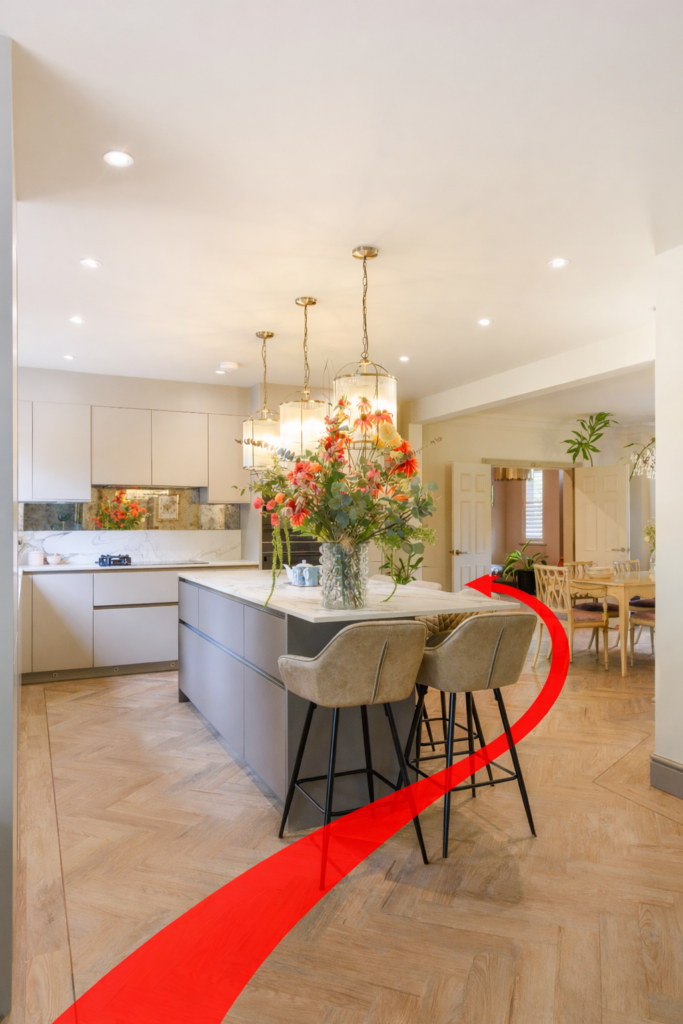
- Improve flow: remove one piece of furniture that blocks movement and allow the room to breathe.
Your home should be more than something that looks good, it should support how you live every day.
If your space feels busy, disconnected, or hard to relax in, biophilic, wellbeing-led design can help transform it into a home that feels calm, considered and aligned with how you want to live.